Blog
Is Blue Lotus Tea Caffeine-Free? 7 Simple & Clear Facts for Tea Drinkers

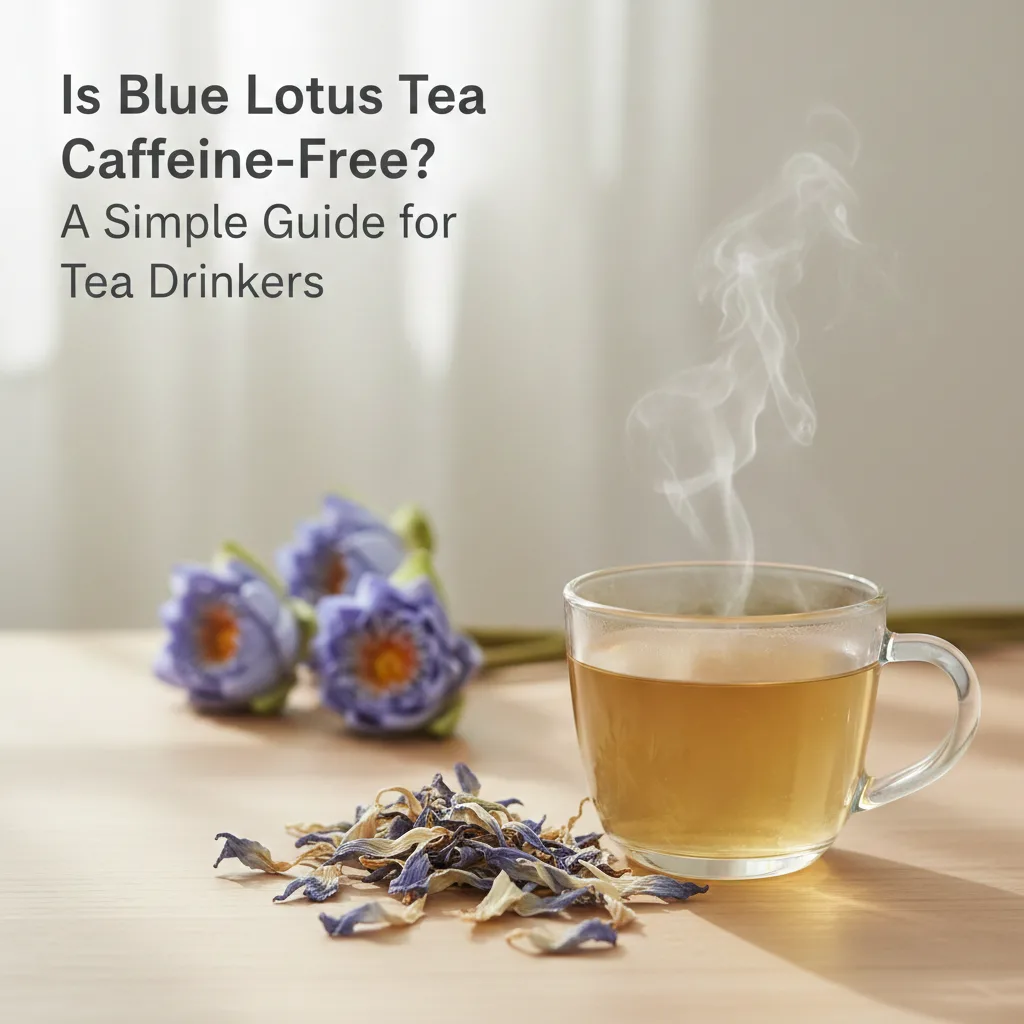
Many people today are actively searching for caffeine-free alternatives to regular tea and coffee. Whether it is to improve sleep quality, reduce jitters, or simply enjoy a calmer beverage, avoiding caffeine has become a common lifestyle choice.
One question that comes up often is:
Is Blue Lotus Tea caffeine-free?
The short and clear answer is yes — this traditional herbal infusion is naturally free from caffeine.
In this detailed guide, we explain what this lotus-based tea is, why it contains no caffeine, how it compares to regular tea, how it is traditionally enjoyed, simple brewing tips, important safety and legal notes, and why Sri Lankan blue lotus is valued worldwide.
What Is Blue Lotus Tea?
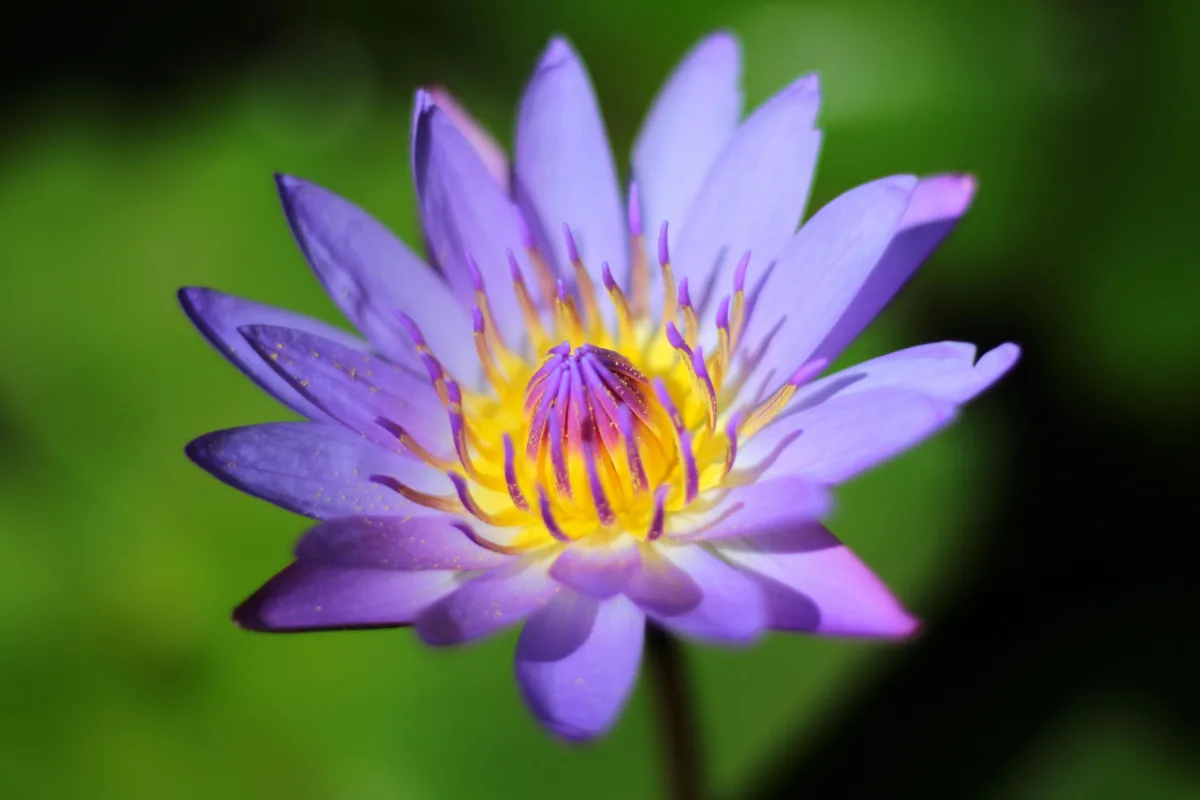
This herbal infusion is made from the dried petals or whole flowers of Nymphaea nouchali, a sacred aquatic plant native to Sri Lanka and parts of South Asia.
In Sri Lanka, the flower is locally known as Nil Manel and holds deep cultural significance. It has been admired for centuries for its beauty, symbolism, and traditional role in everyday life.
Unlike regular tea varieties, this infusion is not made from tea leaves. Instead, it is prepared by gently steeping dried lotus flowers in hot water, similar to other herbal teas such as chamomile, hibiscus, or butterfly pea.
Is Blue Lotus Tea Caffeine-Free?
Yes. This herbal infusion is naturally caffeine-free.
This is because:
- It does not come from the Camellia sinensis plant, which is the source of black, green, white, and oolong teas
- It is prepared entirely from dried flower petals
- No caffeine or other stimulants are added during harvesting, drying, or packaging
As a result, this lotus-based drink contains no caffeine in its natural form.
This makes it a suitable choice for people who:
- Avoid caffeine for personal or lifestyle reasons
- Prefer calm beverages in the evening
- Are sensitive to stimulants
- Want a gentle, non-stimulating tea experience
How Blue Lotus Tea Compares to Regular Tea
Understanding the difference between this herbal infusion and regular tea helps explain why it does not contain caffeine.
Herbal Infusion Made from Lotus Flowers
- Naturally caffeine-free
- Prepared from dried flowers
- Light floral aroma
- Gentle, calming tea experience
- Often enjoyed in the evening
Black or Green Tea
- Contains caffeine
- Made from tea leaves
- Stimulating effect
- Commonly consumed in the morning or daytime
If you are trying to reduce caffeine intake, switching from regular tea to a flower-based herbal infusion can be a simple and effective lifestyle change.
Why People Choose Caffeine-Free Herbal Teas
Across the world, more people are choosing caffeine-free beverages as part of daily routines. Common reasons include:
- Avoiding late-day stimulation
- Supporting better sleep habits
- Reducing dependence on coffee or energy drinks
- Creating a relaxing tea ritual
- Enjoying natural, plant-based drinks
Blue Lotus Tea fits naturally into this trend because it offers aroma, warmth, visual beauty, and cultural depth — without caffeine.
How Is Blue Lotus Tea Traditionally Enjoyed?
In Sri Lanka, blue lotus flowers have traditionally been:
- Hand-harvested from clean freshwater sources
- Sun-dried naturally without chemicals
- Brewed gently in hot water
- Enjoyed without heavy additives
- Used during calm or reflective moments
Today, people around the world enjoy this herbal tea in different ways:
- Warm or iced
- Plain or lightly sweetened
- As part of an evening routine
- During meditation, reading, or quiet personal time
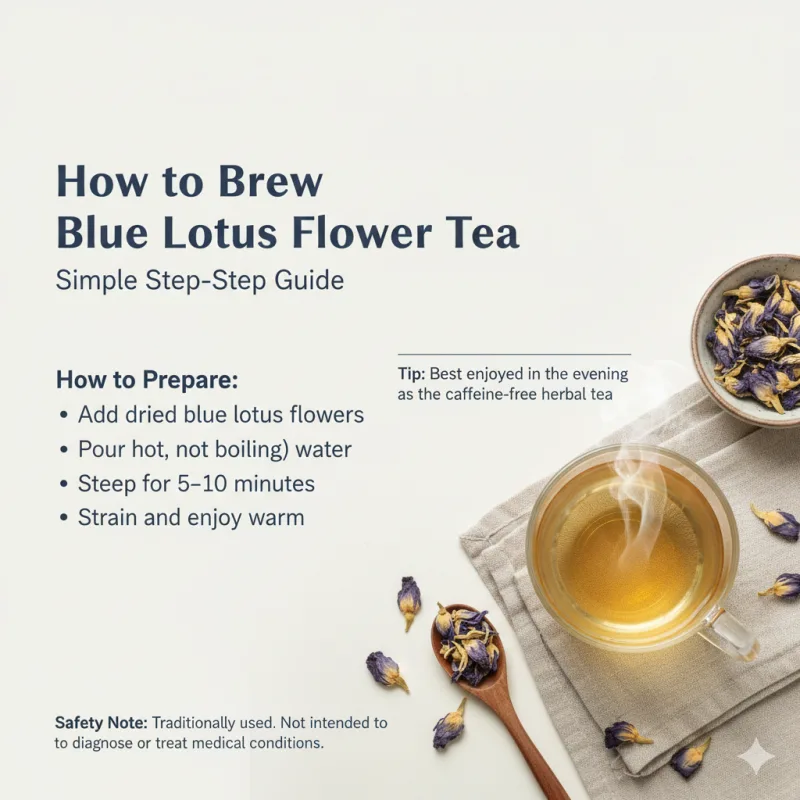
How to Brew Blue Lotus Tea (Simple Method)
Brewing Blue Lotus Tea is simple and requires only a few ingredients.
Ingredients
- 1–2 dried blue lotus flowers or petals
- 1 cup hot water (not boiling)
Brewing Steps
- Place the dried flowers in a cup or teapot
- Pour hot water over the flowers
- Cover and steep for 7–10 minutes
- Strain and enjoy warm
Optional Additions
- Raw honey
- Lemon slice
- Blend with other herbal teas such as chamomile or butterfly pea
The flavor is naturally mild and floral, making it easy to enjoy without sweeteners.
How Often Can You Drink Blue Lotus Tea?
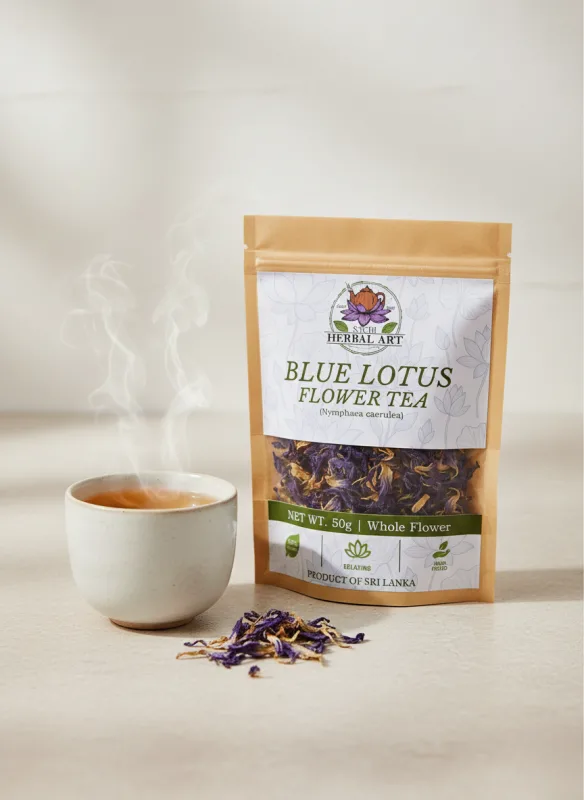
Most people enjoy one cup per day, especially in the evening. If you are new to this herbal infusion, it is best to start with a small amount and see how your body responds before making it a regular habit.
Because it is caffeine-free, it is commonly chosen as a night-time tea option.
Is Blue Lotus Tea Safe to Drink?
Blue Lotus Tea is generally consumed as a traditional herbal tea, not as a medicinal product.
General Safety Notes
- For adult use
- Avoid during pregnancy or breastfeeding
- Do not mix with alcohol or other substances
- If unsure, consult a qualified professional
This product is not intended to diagnose, treat, cure, or prevent any disease.
For general guidance on herbal products, you can refer to the World Health Organization’s information on traditional medicine.
Legal Status of Blue Lotus Tea
The legal status of blue lotus products varies by country and intended use.
In most regions:
- Blue lotus flowers are sold as botanical or herbal tea products
- Regulations differ across the USA, EU, Canada, Australia, and New Zealand
- Consumers should follow local laws and seller guidelines
For botanical background information, see:
https://www.britannica.com/plant/Nymphaea
Why Sri Lankan Blue Lotus Is Valued Worldwide
Sri Lanka offers ideal natural conditions for cultivating blue lotus, including:
- Clean freshwater ecosystems
- Traditional harvesting knowledge
- Chemical-free drying methods
- Small-batch processing
These factors result in high-quality dried flowers suitable for herbal tea preparation and international export.
Final Answer: Is Blue Lotus Tea Caffeine-Free?
Yes. Blue Lotus Tea is naturally caffeine-free, making it a gentle herbal alternative to regular tea or coffee.
It is enjoyed for its:
- Floral aroma
- Cultural heritage
- Calm tea-time experience
- Absence of caffeine
For those seeking a peaceful, plant-based beverage, Blue Lotus Tea offers a simple and elegant option.
🌸 Product Recommendation
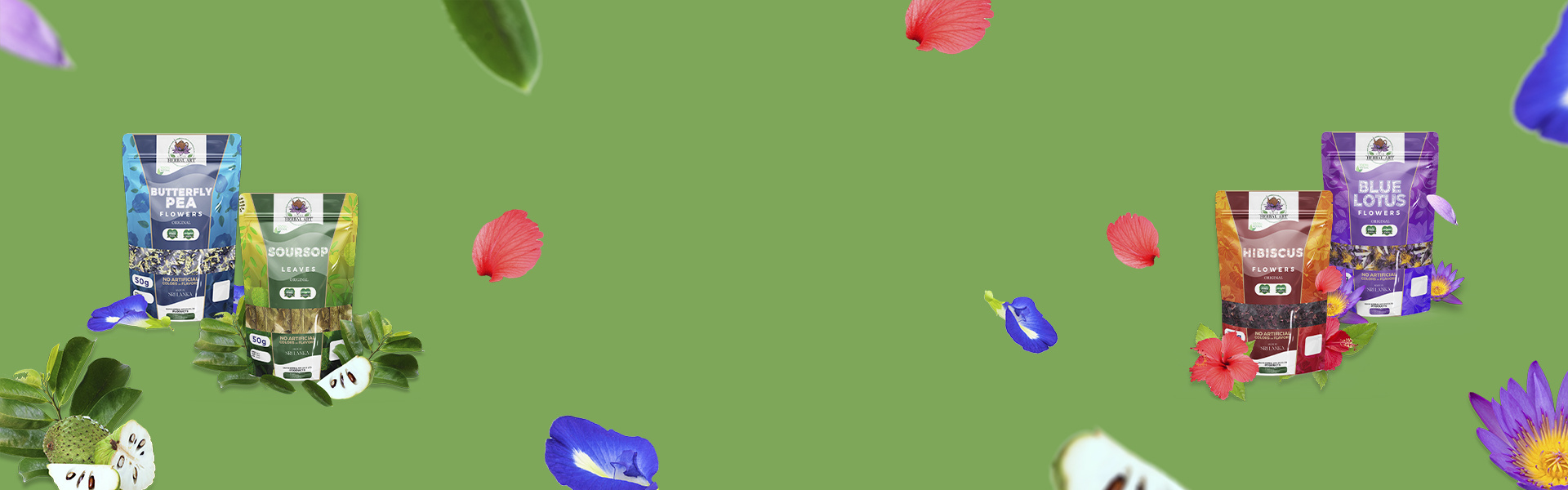
If you are looking for authentic Blue Lotus Tea from Sri Lanka, explore our carefully hand-harvested and naturally dried blue lotus flowers at Sachi Herbal Art.
We focus on:
- Traditional sourcing
- Purity and quality
- International-standard packaging
Our products are shipped to customers in the USA, Canada, EU, Australia, and New Zealand.
👉 Learn more at sachiherbalart.com